
A Comprehensive Guide to the Global Textile Trade
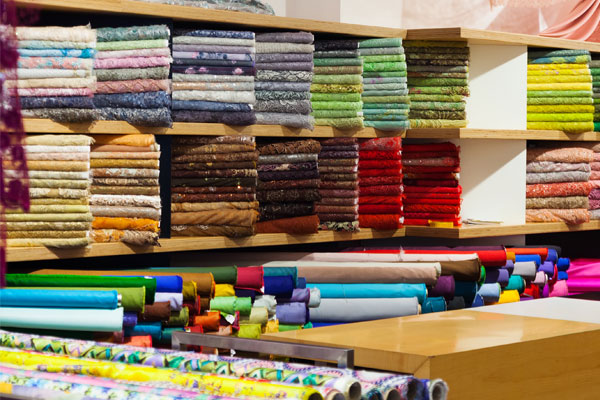
In today’s interconnected world, the export and import of fabrics play a vital role in shaping global trade and fashion. From the cotton mills of India to the luxury textile houses of Italy, fabrics are exchanged worldwide to meet growing demand for diverse materials. But how does this complex process work, and who are the key players?
Let’s explore everything you need to know about the global fabric trade—from sourcing and shipping to challenges and opportunities.
Understanding the Global Fabric Market
Textiles are among the oldest and most traded commodities globally. The market includes natural fibers like cotton, wool, and silk, as well as synthetic materials such as polyester, nylon, and viscose.
The global textile industry is valued at over $1 trillion, with fabric exports and imports contributing a significant share. Factors like population growth, urbanization, and evolving fashion trends continue to drive demand.
Major Fabric Exporting Countries
China – The Textile Powerhouse
China dominates the global textile trade, accounting for over 35% of fabric exports. With advanced manufacturing infrastructure and cost efficiency, it leads in both synthetic and cotton fabrics.
India – Blending Tradition with Technology
India stands second in fabric exports, especially in cotton, silk, and handloom materials. Its rich textile heritage combined with modern technology, makes it a global favorite.
Bangladesh – Rising in Global Apparel Manufacturing
Bangladesh’s strength lies in ready-made garments, but it’s increasingly investing in raw fabric exports. Its competitive labor costs and compliance improvements have boosted growth.
Turkey – A Strong Link Between Asia and Europe
Turkey benefits from its strategic location and proximity to European markets. It specializes in denim, knitwear, and technical textiles.
Italy – Luxury Fabrics and Craftsmanship
Italy is renowned for high-end fabrics used by luxury brands. Its silk, wool, and linen exports reflect unmatched craftsmanship and design.
Major Fabric Importing Countries
United States – Demand for Quality and Diversity
The U.S. imports fabrics from across the world to meet its massive fashion and home textile markets. It primarily sources from China, India, and Mexico.
Germany – Europe’s Textile Hub
Germany is one of Europe’s largest fabric importers, focusing on technical textiles and apparel fabrics used in both fashion and industrial applications.
Japan – Innovation-Driven Imports
Japanese manufacturers rely on imported fabrics for advanced material research and high-tech clothing.
United Kingdom – Fashion-Forward Market
The UK imports a wide range of fabrics to serve its fashion, interior, and retail sectors, sourcing primarily from Italy, China, and India.
Vietnam – Importing for Production
Vietnam’s booming garment industry depends heavily on fabric imports for re-exporting finished garments worldwide.
Types of Fabrics Traded Internationally
Cotton fabrics: Lightweight, breathable, and versatile.
Synthetic fabrics: Affordable and durable, ideal for fast fashion.
Silk and luxury textiles: Premium exports from countries like China and Italy.
Denim and knit fabrics: Popular in Western markets and everyday wear.
The Export Process for Fabrics
Sourcing and Quality Check: Exporters ensure that the fabric meets the buyer’s specifications.
Documentation: Essential papers include the invoice, packing list, bill of lading, and certificate of origin.
Shipping and Logistics: Sea and air freight are common options.
Customs Clearance: Duties and taxes must be cleared before delivery.
The Import Process for Fabrics
Supplier Identification: Buyers look for reliable suppliers on B2B platforms.
Import Licenses: Required by many countries for fabric-related products.
Inspection and Testing: Fabrics undergo quality and safety testing.
Storage and Distribution: After clearance, goods are sent to warehouses or retailers.
Trade Regulations and Compliance
Understanding HS codes for fabrics helps in tariff classification. Environmental standards like OEKO-TEX and GOTS are increasingly important in sustainable textile trade. Free trade agreements between nations often reduce import duties, making cross-border trading smoother.
Challenges in Fabric Export and Import
Market fluctuations affect prices.
Shipping delays raise costs and risk.
Supply chain disruptions (like pandemics or wars) impact delivery.
Counterfeit materials harm brand trust.
Opportunities in the Fabric Trade
The rise of e-commerce enables global fabric sales online.
Demand for eco-friendly and recycled materials is booming.
Technological innovations improve production efficiency.
Digital Transformation in Fabric Trade
Artificial intelligence and blockchain are transforming textile logistics. Platforms like Alibaba and Fibre2Fashion simplify sourcing, while digital tracking ensures transparency and ethical trade.
How to Start a Fabric Export or Import Business
Conduct market research to identify target countries.
Obtain export-import licenses and register with trade authorities.
Build partnerships with suppliers, buyers, and logistics companies.
Promote your business through digital marketing and trade shows.
Tips for Success in Fabric Trading
Maintain consistent quality across all shipments.
Stay updated on fashion and textile trends.
Build long-term trust with buyers and suppliers.
Leverage digital tools for communication and order management.
Conclusion
The export and import of fabrics form the backbone of the global textile supply chain. With evolving technology, sustainable practices, and global connectivity, the future of fabric trade looks promising. Entrepreneurs and investors entering this market can find incredible opportunities by combining quality, innovation, and transparency.
FAQs
1. What documents are needed for fabric export?
You need a commercial invoice, packing list, bill of lading, certificate of origin, and export license.
2. Which countries are the top fabric exporters?
China, India, Bangladesh, Turkey, and Italy lead the world in fabric exports.
3. How can I start a fabric import business?
Obtain an import license, research suppliers, and build connections through B2B platforms.
4. What are eco-friendly fabrics?
They include organic cotton, bamboo fiber, hemp, and recycled polyester.
5. Is fabric trading profitable?
Yes, with proper sourcing, logistics, and market research, it can be highly profitable.