Best Quality Fabrics for Clothes
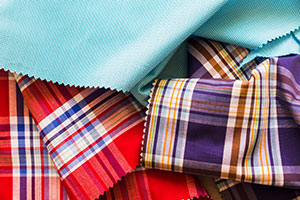
Choosing the best quality fabrics for clothes isn’t just about picking something that looks good at first glance. It’s about durability, comfort, sustainability, and long-term value. Whether you’re a fashion designer, apparel entrepreneur, or simply someone who wants to upgrade your wardrobe, understanding fabric quality can help you make smarter decisions.
This comprehensive guide breaks down fabric types, performance, use cases, care tips, and practical buying advice—all explained in simple, clear language. Let’s dive in.
Understanding What Makes the Best Quality Fabrics for Clothes
To know what the best quality fabrics for clothes truly are, you need to understand the building blocks of fabric quality.
Fiber Content and Purity
The foundation of any fabric is its fiber type. Natural fibers like cotton, silk, or wool tend to be more breathable and comfortable. Synthetic fibers like polyester and nylon offer strength and moisture resistance.
High-quality clothing often uses:
-
Pure natural fibers
-
High-grade synthetic fibers
-
Quality-controlled blends
The purity of fibers plays a huge role in how long the garment lasts.
Weave and Construction Quality
The weave determines:
-
Strength
-
Texture
-
Breathability
-
Overall appearance
Tighter weaves often indicate higher quality. For example:
-
High-thread-count cotton feels soft and smooth.
-
Tightly woven linen lasts longer and wrinkles less.
Durability and Wear Resistance
Durability includes resistance to:
-
Pilling
-
Fading
-
Stretching
-
Shrinking
High-quality fabrics maintain their shape and look even after multiple washes.
Top Natural Fabrics for High-Quality Clothing
Natural fabrics are often considered premium because they’re comfortable, sustainable, and breathable.
Cotton: The Everyday Essential
Cotton is one of the most popular best quality fabrics for clothes because it’s:
-
Soft
-
Breathable
-
Affordable
-
Hypoallergenic
Premium versions include:
-
Egyptian cotton
-
Supima cotton
-
Organic cotton
Cotton is perfect for:
-
T-shirts
-
Underwear
-
Casual wear
-
Shirts
Linen: The Breathable Luxury
Linen is known for:
-
Excellent airflow
-
Moisture-wicking properties
-
Natural texture
It’s ideal for:
-
Summer outfits
-
Loose shirts
-
Dresses
-
Resort wear
High-quality linen becomes softer over time instead of wearing out.
Silk: The Premium Choice
Silk is luxurious, smooth, and surprisingly strong. It’s often used in:
-
Dresses
-
Blouses
-
Sleepwear
-
Scarves
Real mulberry silk is the finest quality. Although delicate, it offers unmatched elegance and comfort.
Wool: The Cold-Weather Champion
Wool is extremely versatile and comes in variations like:
-
Merino wool
-
Cashmere
-
Alpaca
-
Lambswool
Benefits include:
-
Natural insulation
-
Moisture management
-
Odor resistance
High-quality wool doesn’t itch and lasts for decades.
Best Synthetic Fabrics for Clothes
Synthetic fabrics have improved dramatically in recent years, offering advanced performance.
Polyester: The Versatile Player
Modern polyester is durable, resistant to wrinkles, and holds color very well. It’s widely used in:
-
Casualwear
-
Workwear
-
Sportswear
High-denier polyester feels smoother and lasts longer.
Nylon: Strength Meets Flexibility
Nylon is loved for:
-
High elasticity
-
Abrasion resistance
-
Lightweight feel
It’s ideal for:
-
Activewear
-
Jackets
-
Swimwear
Spandex: Stretch and Comfort
Even though it’s rarely used alone, spandex is essential in stretch-related clothing.
Used in:
-
Leggings
-
Undergarments
-
Swimwear
-
Slim-fit outfits
A 5–10% spandex blend significantly improves comfort.
Best Blended Fabrics for Modern Clothing
Blends combine the benefits of two or more fibers.
Cotton-Poly Blend
Highly popular because it offers:
-
Softness (cotton)
-
Durability (polyester)
-
Shrink resistance
Perfect for casualwear and uniforms.
Wool-Cashmere Blend
A luxurious blend ideal for winter clothing.
Features:
-
Softness
-
Warmth
-
Lightweight feel
Linen-Cotton Blend
A summer favorite because it:
-
Wrinkles less than pure linen
-
Feels softer
-
Offers better durability
How to Identify Best Quality Fabrics Before Buying
Even if you’re buying online, there are ways to assess fabric quality.
Touch, Feel, and Weight
High-quality fabrics generally feel:
-
Smooth
-
Fuller
-
Less flimsy
Fabric weight (GSM) is also a great indicator of durability.
Thread Count and GSM
Higher thread count doesn’t always mean better, but it often indicates:
-
Smooth texture
-
Increased durability
Color Fastness Test
Rub a small portion with a damp cloth—cheap dyes will bleed.
Best Quality Fabrics for Different Clothing Categories
Knowing which fabric fits which category helps improve comfort and longevity.
Daily Wear Fabrics
Best choices include:
-
Cotton
-
Linen
-
Cotton blends
-
Polyester blends
They offer comfort, durability, and easy maintenance.
Luxury and Occasion Wear Fabrics
Premium options:
-
Silk
-
Satin
-
Velvet
-
Cashmere
These fabrics elevate the entire look.
Sports and Activewear Fabrics
Best picks:
-
Spandex
-
Nylon
-
Polyester performance fabrics
They offer stretch, sweat absorption, and durability.
Care and Maintenance Tips for High-Quality Fabrics
Good care ensures your clothing lasts longer.
Washing Techniques
-
Use a mild detergent
-
Wash in cold water
-
Avoid harsh chemicals
Storage and Handling
-
Wool should be stored with cedar blocks
-
Silk needs breathable storage
-
Cotton can be folded easily
Ironing and Steaming
-
Linen looks best when steamed
-
Wool should be pressed with a cloth
-
Cotton can be ironed at high heat
FAQs (Before Conclusion)
1. What is the best quality fabric for everyday clothing?
Cotton is the most practical choice because it’s breathable, durable, and comfortable.
2. Are natural fabrics better than synthetic ones?
Natural fabrics offer comfort, but synthetic fabrics offer durability and performance—so it depends on your needs.
3. What is the softest fabric for clothing?
Silk and cashmere rank among the softest natural fabrics.
4. Which fabric is best for hot weather?
Linen and cotton are the best choices due to their breathability.
5. What is the strongest fabric for clothes?
Nylon is one of the strongest synthetic fabrics available.
6. Where can I learn more about fabrics?
For deeper textile knowledge, check resources like the Textile Learner blog:
Conclusion
Finding the best quality fabrics for clothes seems tough at first, but once you understand fiber types, weave quality, and fabric performance, it becomes much easier. Always choose fabrics based on your climate, lifestyle, and comfort needs. Whether you prefer natural or synthetic materials, investing in good-quality fabric ensures your clothing lasts longer, looks better, and feels more comfortable.
If you’d like help creating a fabric buying checklist, fabric comparison table, or textile sourcing guide, just let me know!